Weather and Climate: Why One Cold Day Disproves Nothing
A single icy morning is sometimes enough to raise doubts about global warming. Yet weather and climate differ mainly in the time span and place they cover. Weather describes the state of the atmosphere at a certain place over a short time, for example today or this week. What climate means, and how the two terms can be told apart, is shown in this text.
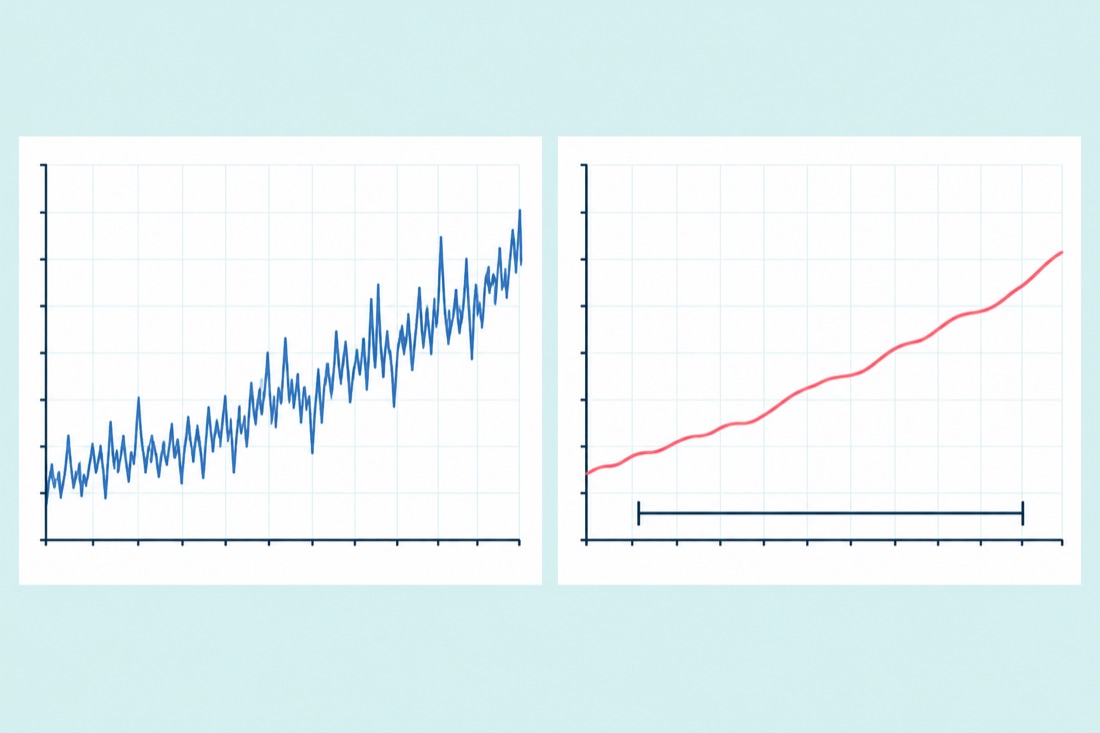
What Is Climate, and How Does It Differ from Weather?
Climate describes weather over many years in statistical form. Following the recommendation of the World Meteorological Organization (WMO), it is usually calculated over a period of 30 years. Examples of such reference periods are 1961 to 1990 and 1991 to 2020. New 30-year normal periods are calculated every ten years.
The connection is simple: weather is what happens outside. Climate is the long-term average of such days, months and years. A single cold day therefore does not change the climate, and one warm day does not tell you anything about it either.
Why Is a Harsh Winter No Counterargument?
A single cold day or a harsh winter belongs to the fluctuations of the weather and says nothing about a trend by itself. Spotting a trend takes measurement series covering many years. Natural swings, from one year to the next for instance, overlay the long-term trend and are often much stronger in the short run.
You can see this by comparing one month across different years. The same month may be much warmer than average in one year and cooler in the next, yet the long-term mean shifts only slowly. Only over a longer period does it become clear which way it is heading. A typical mistake is therefore to draw a global trend from one winter in one region.
How Do You Read an Anomaly Chart and a Forecast?
An anomaly chart shows the deviation from the average of the reference period. A bar below zero stands for a year that was colder than that average, and a bar above zero for a warmer year. Meaningful conclusions come only from the sequence of many bars, not from a single point.
Weather forecasts and climate projections also have to be kept apart. A weather forecast concerns the next few days and relies on the starting state of the atmosphere. Climate projections describe statistical conditions and depend on the assumptions behind them. They are therefore not suited to predicting the weather on a particular day.
Three Control Questions
Three questions help with any statement about the climate: which time span is meant, which area, and which quantity is measured? If one of these is missing, the conclusion stays incomplete. These questions make it quick to see whether weather or climate is under discussion. The check is worth making whenever an argument in a discussion rests on a single cold day.