The IPCC, the World Climate Council: Who Is Behind It and How Its Reports Are Made
In 1988 the IPCC, known in German as the Weltklimarat, was created on the initiative of the World Meteorological Organization (WMO) and the United Nations Environment Programme (UNEP). Its reports are often quoted in debates about climate policy. That is why it is worth looking at who stands behind it and where the content comes from. Does the panel measure temperatures itself or run its own research? No. How it works instead is explained in the text below.
What Is the IPCC?
The name stands for Intergovernmental Panel on Climate Change. The panel grew out of an initiative by two UN organizations, the WMO and UNEP. Its secretariat is based in Geneva.
What matters is that the IPCC does no research of its own. It assesses the scientific literature that has already been published and sums it up. The authors of the reports go through existing studies, put the results in context and prepare the state of knowledge so that governments can use it. The panel is therefore more of an assessing body than a research institute. For readers this means that every statement rests on work that previously appeared in the specialist literature, not on the panel's own measurements.
How Is a Climate Report Made?
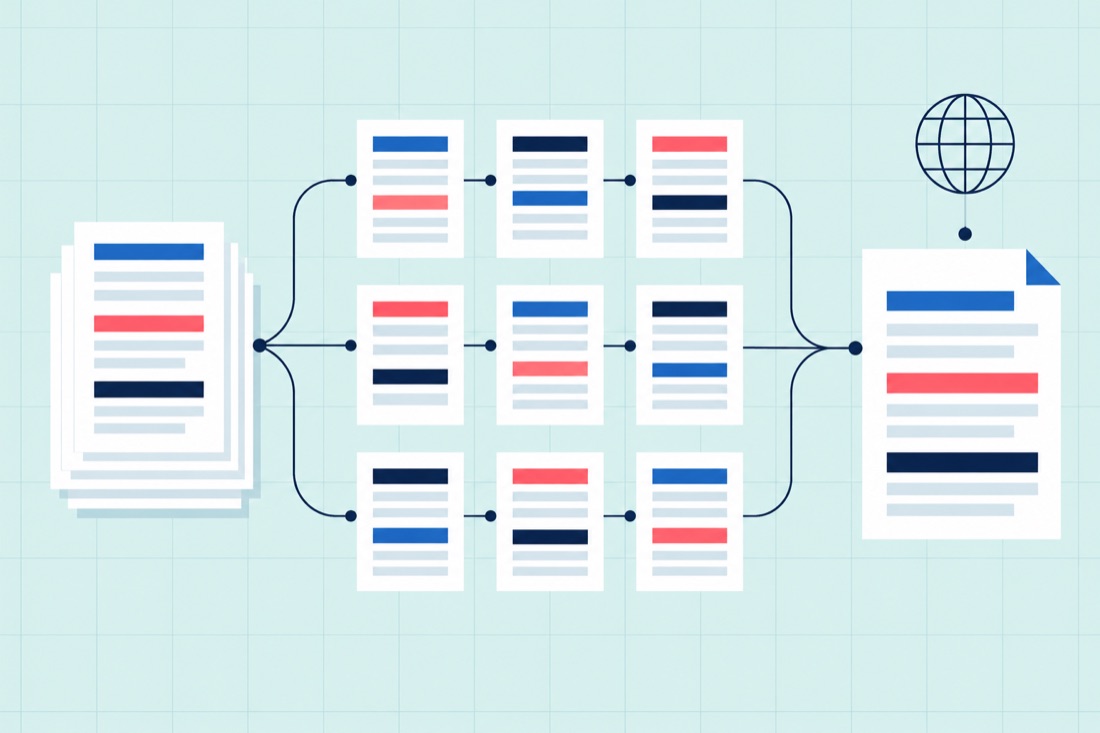
The basis is the assessment reports. Three working groups contribute to each one. The first deals with the physical science basis, the second with impacts and adaptation, and the third with mitigation of climate change. This division separates the description of the phenomenon from the analysis of its consequences and possible measures, which makes it easier to find a particular topic.
Six reporting cycles have been completed so far. The sixth assessment report (AR6) was finished in 2023 with a synthesis report that brings together the findings of all the working groups.
Before publication, every report is reviewed by experts and by governments. Both scientists and representatives of states check the text. The final version therefore reflects not only the work of the author teams but also the assessments of two different groups of reviewers.
Who Decides on the Summaries?
The summaries for policymakers form a separate part of each report, and a different procedure applies to them than to the full chapters. Government representatives approve the summaries line by line. The scientific content comes from the authors. Governments do not rewrite the science but jointly approve how it is presented.
The summary thus rests on two foundations: the scientific literature as presented by the authors, and the agreement of the states it is meant for. This distinction explains why the body counts as both scientific and intergovernmental.
Conclusion
The IPCC is a body with its secretariat in Geneva. Since 1988 it has assessed published research and summed it up instead of doing research itself. Each climate report is produced in three working groups and reviewed by experts and governments. The summaries for policymakers offer a good way into the findings of the world climate council.